The UK’s wine and beer industries are thriving, with over a thousand vineyards and more than 1,600 breweries operating nationwide. Yet behind this growth lies a complex set of health and safety risks. From fermentation gases to confined space hazards, these environments demand specialist precautions and training. At Rescue2, we work with vineyards and breweries across the UK to deliver the training, rescue support, and compliance guidance that keep workers safe.
The Industry Landscape
The UK drinks sector continues to evolve rapidly, with both breweries and vineyards contributing strongly to regional economies and rural employment.
According to the Morning Advertiser (May 2025), there are 1,641 active breweries across the UK, ranging from microbreweries to large scale producers.
The English and Welsh wine industries also continue to expand. As of 2024, 1,104 vineyards cover 4,841 hectares of planted land. This represents more than a 500 per cent increase in vineyard area since 2005.
This sustained growth has created thousands of skilled and seasonal jobs in production, logistics, tourism, and hospitality. But with growth comes responsibility: the need for effective health and safety management to protect staff, contractors, and visitors from serious risk.
Why Vineyards and Breweries Face Unique Hazards
Wine and beer production rely on processes that generate or store gases, use large pressurised vessels, and require frequent confined space entry.
Hazards can include:
- Oxygen deficient atmospheres
- Accumulation of carbon dioxide or nitrogen
- Manual handling injuries from barrels or equipment
- Exposure to cleaning chemicals or high temperature steam
- Slips, trips, and falls on wet floors
The Health and Safety Executive (HSE) identifies confined spaces as any place substantially enclosed where serious injury could occur from hazardous substances or conditions, such as gas, fumes, or lack of oxygen.
Confined Space Hazards in Fermentation and Storage
Fermentation tanks, silos, and storage vessels all qualify as confined spaces. Even opening a vessel without gas monitoring can be fatal if carbon dioxide or other gases have displaced oxygen.
During fermentation, yeast converts sugar into alcohol and CO₂, an invisible, odourless, asphyxiant gas. In poorly ventilated cellars, levels can rise rapidly, creating a suffocation hazard before workers realise there is a problem.
Key control measures include:
- Gas monitoring before and during entry
- Confined space entry permits
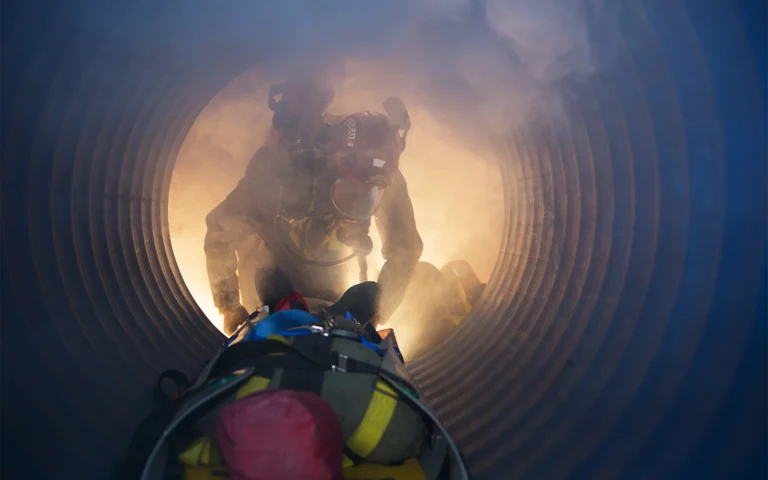
- Emergency rescue plans and trained personnel
- Adequate ventilation and extraction systems
Gas Hazards: CO₂, Nitrogen, and Argon
Carbon dioxide, nitrogen, and argon are routinely used for carbonation, blanketing, and preservation. Each is colourless and odourless, making danger difficult to detect without sensors.
Exposure symptoms range from headache and dizziness to unconsciousness and death at high concentrations.
Preventive steps include:
- Fixed and portable CO₂ and O₂ monitors
- Cylinder integrity checks and secure storage
- Routine leak testing of valves and fittings
- Continuous staff awareness training
Manual Handling and Equipment Movement
Barrels, kegs, sacks of grain, and cases of bottles are heavy and awkward to lift. Without proper technique, workers risk back and shoulder injuries. Employers must assess manual handling operations and, where possible, provide mechanical aids or team lifting.
Additional Risks: Cleaning Chemicals, Slips, and Access Equipment
Both industries use strong detergents, acids, and sanitisers for cleaning tanks and bottling lines. Misuse can lead to chemical burns or respiratory irritation.
Wet floors and uneven surfaces increase slip and fall risks, while ladders and elevated platforms require secure footing and fall protection.
Employers should implement:
- Clear signage and barriers
- Personal protective equipment (PPE) suited to each task
- Regular inspections and maintenance of access platforms
- COSHH assessments for all cleaning substances
What You Can Do to Mitigate Risk
Every vineyard and brewery should have a site specific health and safety plan supported by robust training and inspection routines. Core steps include:
- Risk Assessment: Identify all potential hazards, including gas exposure, confined spaces, and manual handling.
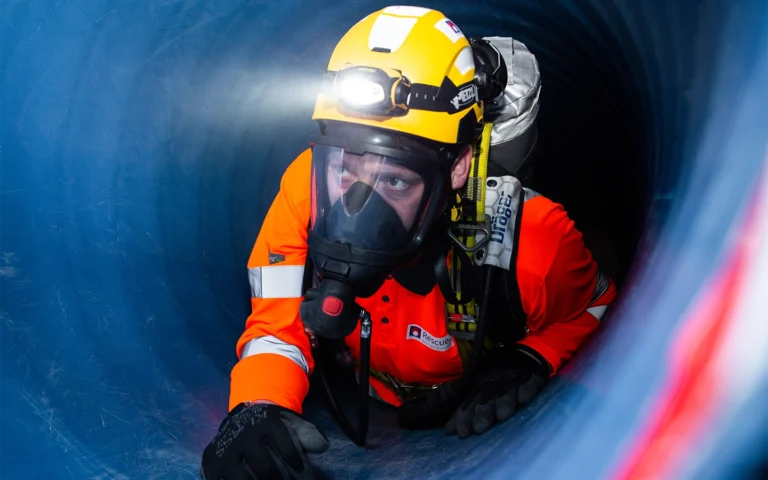
- Confined Space Management: Implement permit to work systems, gas detection, and trained entry teams.
- Rescue Readiness: Have competent, equipped personnel or an external rescue provider available.
- Training: Deliver accredited confined space, gas awareness, and first aid training.
- Maintenance: Regularly test ventilation, monitoring, and PPE equipment.
- Record Keeping: Document inspections, permits, and training attendance.
- Emergency Planning: Create clear response procedures and test them periodically.
How Rescue2 Supports the Industry
Rescue2 works with vineyards, wineries, and breweries throughout the UK to help them meet and exceed safety standards.
Our services include:
- Confined Space Training: Accredited courses covering safe entry, control, and emergency response.
- Gas Monitoring Awareness: Practical instruction on CO₂ and O₂ detection and management.
- Rescue Team Provision: 24/7 standby and rescue teams for confined space operations.
- Face Fit Testing: Ensuring workers have correctly fitted respiratory protection for specific hazards.
- Safety Consultancy: Site audits, RAMS development, and compliance documentation.
Every member of our operational team comes from an emergency services or technical rescue background, bringing practical expertise to every project.
Learn more about confined space safety at: Do I need a confined space rescue team? | Rescue2
Common Questions from Vineyards and Breweries
Do fermentation vessels count as confined spaces?
Yes. Any enclosed space, such as a tank, silo, or vat, where a person could be overcome by gases or lack of oxygen, is considered a confined space under the Confined Spaces Regulations 1997.
What gas monitoring equipment is required?
You must use calibrated CO₂ and O₂ monitors suitable for the environment. Rescue2 recommends continuous atmospheric monitoring when entering or working near fermentation or carbonation vessels.
What training should our staff complete?
Staff should complete confined space awareness or entry training, manual handling, first aid, and chemical safety training. Supervisors should hold higher level confined space control qualifications such as City & Guilds 6160-04 or 6160-05.
Do we need an on site rescue plan?
Yes. The Confined Spaces Regulations 1997 require suitable emergency arrangements before any entry takes place. Rescue2 can develop and deliver bespoke rescue plans and teams for your site.
How often should gas detection equipment be tested?
Portable and fixed detectors should be bump tested daily and fully calibrated at intervals recommended by the manufacturer, typically every six months.
Ready to Improve Your Health and Safety?
If you operate within the UK wine or brewing industry, Rescue2 can help you identify risks, train your team, and provide on site safety and rescue cover.
Contact our team today:
📞 01903 871 105
✉️ training@rescue2.co.uk
📍 Rescue2 Ltd, The Old Stables, Decoy Lane, Arundel Road, Poling, West Sussex BN18 9QA