Respiratory Protective Equipment – What You Need to Know
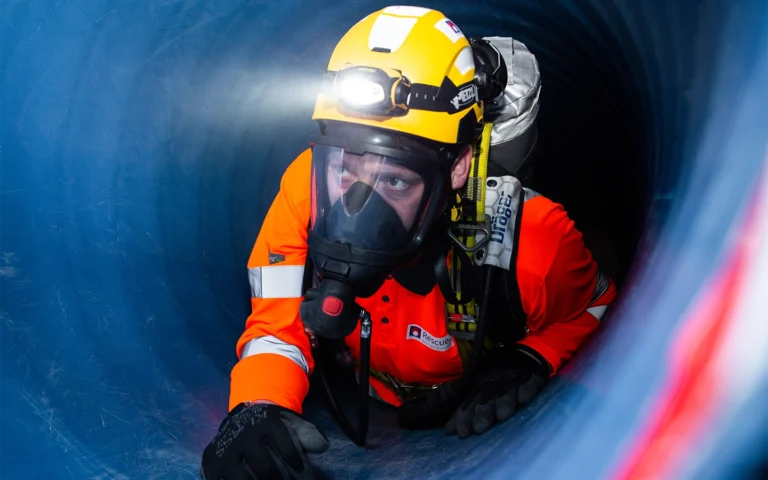
Respiratory Protective Equipment (RPE) protects workers from inhaling hazardous substances such as dust, vapours, gases, and fibres.
The Health and Safety Executive (HSE) outlines when and how RPE should be used, maintained and tested.
At Rescue2, we deliver professional face fit testing, training, and RPE management programmes to ensure every worker can breathe safely, confidently, and compliantly, wherever they operate across the UK.
Why RPE Is Important
Under the Control of Substances Hazardous to Health (COSHH) Regulations 2002, employers must protect workers from harmful airborne contaminants.
RPE is the final layer of defence when other control measures, such as ventilation or substitution, cannot eliminate risk.
Rescue2 works with organisations nationwide to ensure RPE is selected, fitted, and maintained correctly.
RPE FAQs for Employers
When should I provide RPE?
Provide RPE only when other controls (elimination, substitution, engineering or administrative) cannot adequately reduce exposure.
Rescue2 advises assessing the task first: if workers could inhale dusts, fumes, gases or biological agents, RPE may be required.
Why is RPE considered the last line of protection?
RPE depends on correct wear and fit; it can fail if damaged or misused.
The hierarchy of control places RPE at the bottom because it protects individuals rather than removing the hazard itself.
Rescue2 trainers emphasise that RPE supplements do not replace other control measures.
What should I do before deciding to use RPE?
Conduct a formal risk assessment and review exposure levels against Workplace Exposure Limits (WELs).
Determine if alternative controls can reduce risk before issuing RPE.
Rescue2 can support with on site risk assessments and RPE programme development.
Can I rely on the CE or UKCA mark when choosing RPE?
No. CE or UKCA marking shows that a product meets general standards but not necessarily that it is suitable for a specific task.
Rescue2 recommends verifying compatibility with the hazard type, duration, and environmental conditions before purchase.
What should I do before providing RPE to employees?
Ensure every worker is:
Face-fit tested for tight-fitting masks
Trained in correct fitting, use, and maintenance
Given suitable RPE for their work environment
Rescue2 offers qualitative and quantitative face-fit testing, as well as tailored RPE induction sessions.
What should I do before providing RPE to employees?
What should I do after providing RPE to employees?
Maintain records of issues, inspections, and servicing.
Carry out refresher training and ensure replacement parts and filters are available.
Rescue2’s RPE maintenance support helps businesses stay compliant over time.
Where can I find detailed information on RPE?
The definitive source is the HSE RPE portal, including HSG53 – Respiratory protective equipment at work.
Rescue2 complements this by interpreting those standards in real world site conditions.
What is an RPE programme?
An RPE programme is a managed system covering selection, fit testing, maintenance, storage, and record keeping.
Rescue2 designs and audits RPE programmes to help employers demonstrate regulatory compliance and worker competence.
What are the requirements for facepiece fit testing?
Every tight fitting mask wearer must be fit tested to confirm a proper seal.
Re-testing is needed if the wearer’s face shape changes or a new mask type is used.
Rescue2’s Train the Trainer Face Fit Testing (Qualitative) course equips organisations to manage testing internally.
How should RPE be maintained and stored?
Follow manufacturer instructions for cleaning, inspection, and filter replacement.
Ensure competent persons perform maintenance and keep written records.
Rescue2 instructors demonstrate best practice maintenance during every RPE course.
RPE FAQs for Employees
Why should I wear RPE?
RPE protects your lungs from hazardous substances you can’t always see or smell.
Wearing it correctly is essential to prevent long term health damage.
Rescue2 reinforces that RPE use is not optional; it is part of your legal duty to protect yourself and others.
How do I wear a mask correctly?
Ensure a tight seal, no facial hair where the mask meets the skin, and perform a fit check every time you wear it.
Rescue2 demonstrates correct donning and doffing during practical sessions to build user confidence.
Why is facepiece fit so important?
Even high quality masks fail if they don’t fit your face correctly.
An ill fitting mask can allow contaminants to leak in.
Regular face fit testing is the only way to confirm adequate protection.
How should I store my mask safely?
Store RPE in a clean, dry location away from contaminants and direct sunlight.
Rescue2 recommends sealed containers or lockers and periodic inspection for damage before use.
Rescue2’s RPE and Face Fit Services
At Rescue2, we support employers and employees with:
- Face Fit Testing; qualitative and quantitative, on site nationwide
- Train the Trainer courses for internal testing competence
- RPE awareness and selection training
- Equipment inspection and maintenance guidance
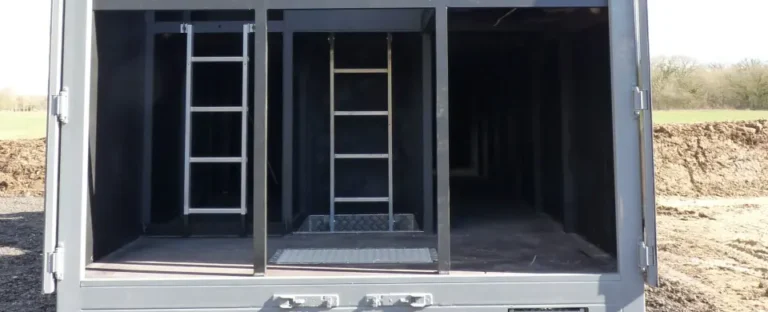
Training is delivered from our Poling, West Sussex, facility and across the UK through mobile training units.
This content is authored by Rescue2 Safety Division.
All factual references are drawn from the Health and Safety Executive’s official RPE guidance (verified October 2025).