Find out more about the HSE annual workplace fatality statistics for 2024/25
The Health and Safety Executive’s latest data confirms that 124 workers lost their lives in work related accidents across Great Britain in 2024/25.
While the UK continues to rank among the safest nations in Europe, progress in reducing fatal injuries has stalled. Falls from height and vehicle incidents remain the most common causes of workplace death.
At Rescue2, we utilise these statistics as a reminder that safety management is a dynamic discipline, one that must continually evolve to prevent further loss.
The Current Picture: Key Findings From the HSE Report
In July 2025, the HSE released provisional figures on fatal injuries at work for the period April 2024 to March 2025.
- 124 workers were killed in work related accidents.
- 92 members of the public also died in connection with work activities.
- The highest fatality numbers were in:
- Construction – 35 deaths
- Agriculture, forestry and fishing – 23 deaths
- Construction – 35 deaths
- The single most significant cause of death was falls from height, accounting for 35 fatalities.
- The overall fatal injury rate has more than halved over the past 20 years, but has shown little further decline in recent years.
These numbers reinforce that Britain’s health and safety framework is practical, but also that complacency is dangerous. Fatal incidents continue to occur for the same reasons year after year: inadequate planning, poor supervision, missing control measures, and inadequate emergency readiness.
What The Statistics Really Tell Us
- Certain sectors remain stubbornly high risk.
Agriculture employs around 1 per cent of the UK workforce, yet accounts for roughly one in five workplace deaths. The pattern has barely shifted, underscoring the continued importance of cultural change and supervision. - Falls from height and contact with moving vehicles dominate incident causes.
These modes of injury cut across industries, from construction to logistics. They point directly to failures in safe systems of work, isolation, or fall prevention. - Public safety still matters.
The deaths of 92 non workers show that safety responsibilities extend beyond employees to contractors, visitors and bystanders. - Progress has plateaued.
The long term trend remains downward, but recent years show limited improvement. Sustained gains now depend on better competence, leadership and real world readiness.
Why Leadership and Culture Matter More Than Ever
Behind every statistic lies a family, a community and a workforce left changed forever. As the HSE Chair reminded employers, “one death at work is one too many.” Britain may be among the safest nations to work in, but that cannot justify the acceptance of preventable harm.
Safety culture is defined not by slogans or paperwork but by behaviour. Every supervisor, manager and contractor has the power to make choices that prevent accidents. Regular training, genuine empowerment to stop unsafe work, and visible senior commitment create an environment where safety thrives.
How Organisations Can Act on the Findings
1. Reassess high risk activities
Review your operations involving height, vehicle movement, confined spaces, or heavy plant. Ask whether existing risk assessments and rescue arrangements still reflect the actual tasks being performed.
2. Strengthen competence and confidence
Invest in accredited, scenario based training. Generic courses alone rarely change outcomes. Staff must experience realistic conditions, practice control measures, and rehearse emergency response.
3. Embed leadership visibility
Ensure senior leaders sign and review the health and safety policy, attend briefings, and participate in incident reviews and investigations. Their involvement sets the tone for everyone else.
4. Measure and learn
Track near misses, unsafe conditions and positive interventions. Analyse trends, share findings and feed them into your management reviews.
5. Prepare for the unexpected
A rescue plan written on paper is not enough. It must be rehearsed, resourced and achievable with the people and equipment on site. That readiness is the last line of defence when prevention fails.
Sector Focus: Where the Risk Lies
Construction
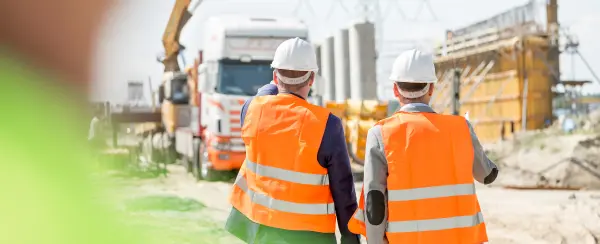
Accounting for 35 deaths, construction remains one of the most dangerous sectors. Falls, struck by incidents and contact with electricity feature heavily. Many of these fatalities occurred on small sites where formal supervision was minimal.
Agriculture, forestry and fishing
With 23 deaths, agriculture continues to have the highest fatal injury rate per 100,000 workers. Vehicle overturns, contact with animals and working in confined spaces are frequent causes. Rural isolation and lone working add to the challenge.
Manufacturing and waste management
Fatalities in these industries have remained consistent over the past decade, often resulting from the movement of machinery or exposure to hazardous atmospheres. These sectors benefit most from regular refresher training and maintenance programmes.
How Rescue2 Helps Prevent Future Fatalities
At Rescue2, we see firsthand how minor oversights can escalate into life threatening events. Our mission is to ensure every person who enters a hazardous environment leaves it safely.
We deliver:
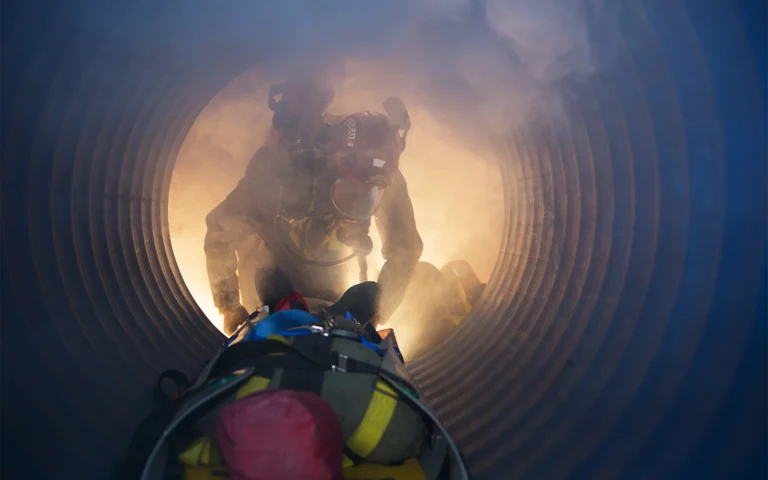
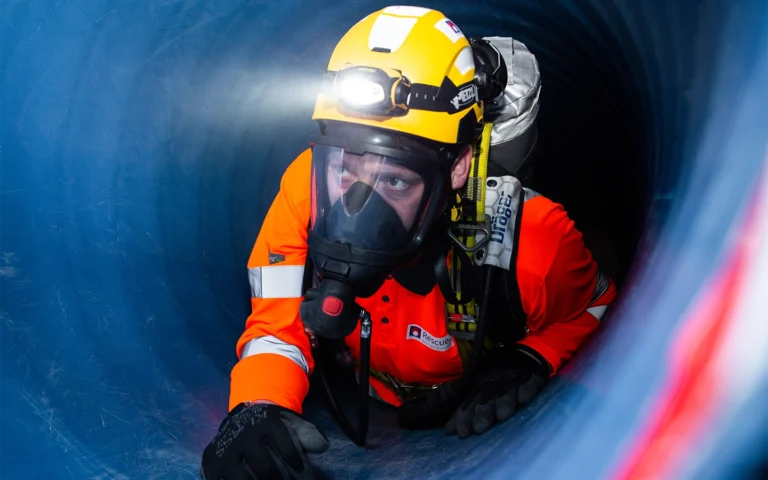
- Accredited confined space and rescue training, tailored to each industry’s needs.
- Emergency response teams are ready to deploy 24/7 across the UK.
- Health and safety consultancy, including risk assessment support, policy reviews and safety audits.
- Practical leadership training for managers and supervisors responsible for safety performance.
Our trainers and technicians come directly from emergency service and industrial rescue backgrounds. Their real world experience ensures that every session is practical, credible and directly relevant.
Turning Statistics Into Action
Numbers matter because they reveal patterns. Every fatality is a lesson, and the clearest lesson from 2024/25 is that preventable accidents still happen.
If your organisation operates in high risk environments, such as construction, utilities, energy, agriculture, or manufacturing, now is the time to review your systems and competence. Ensure that your rescue arrangements are thoroughly tested, your personnel are adequately trained, and your leadership is visible.
Final word
The UK remains one of the safest places in the world to work, but the target is not comparison, it is zero preventable harm. When we treat safety as part of operational excellence rather than a regulatory burden, we move closer to that goal.
At Rescue2, we help businesses achieve that standard through proactive training, realistic rescue planning and leadership support.
Start safe. Work safe. Go home safe.
📞 01903 871 105 ✉️ info@rescue2.co.uk
📍 Rescue2 Ltd, The Old Stables, Decoy Lane, Arundel Road, Poling, West Sussex BN18 9QA
Frequently Asked Questions About HSE Publishes Annual Workplace Fatality Statistics 2024/25
How many people were killed at work in the UK in 2024/25?
According to the Health and Safety Executive, 124 workers lost their lives in work related accidents between April 2024 and March 2025. A further 92 members of the public died as a result of work connected incidents.
Which industries had the highest number of workplace deaths last year?
Construction recorded 35 fatalities, while agriculture, forestry and fishing saw 23. These sectors consistently have the highest fatal injury rates in Great Britain because of the hazardous nature of their work.
What causes most fatal workplace accidents in Great Britain?
Falls from height remain the leading cause, followed by being struck by a moving vehicle, contact with machinery, and being trapped by collapsing materials.
Has the number of workplace deaths gone up or down?
Fatalities have more than halved over the past 20 years, but progress has plateaued. The 2024/25 figure of 124 is only slightly lower than the 2023/24 total of 138, showing that further improvement is needed.
Why does agriculture still have such a high fatal injury rate?
Agriculture employs around 1 per cent of the UK workforce, yet regularly accounts for one in five workplace deaths. Long hours, remote locations, heavy machinery and lone working make the sector particularly vulnerable.
What is the main message from the HSE about this year’s results?
The HSE emphasised that while the UK remains one of the safest countries to work in, “one death at work is one too many.” The agency urges every sector to learn from incidents and strengthen leadership, planning and competence.
What can businesses do to prevent fatal accidents?
Employers should review their high risk activities, refresh risk assessments, ensure staff receive accredited practical training, test their emergency plans and maintain visible safety leadership at every level.
Do these statistics include members of the public?
Yes. The HSE’s annual data separates worker fatalities from public fatalities associated with work activities. In 2024/25, 92 members of the public were fatally injured, often in incidents involving vehicles or infrastructure.
How does the UK compare to other European countries for workplace safety?
Great Britain continues to have one of the lowest fatal injury rates among leading industrial nations, reflecting strong regulation and enforcement. However, maintaining that position requires continual vigilance and competence.
How can Rescue2 help organisations reduce their risk?
Rescue2 provides accredited confined space and rescue training, on site emergency teams, safety audits and leadership coaching. Our real world instructors help companies transform compliance into proactive prevention, ensuring every worker returns home safely.