Do you need a Confined Space Rescue Team?
Every year in Great Britain, workers are seriously injured or killed while working in confined spaces because adequate rescue arrangements are not in place. The law is clear: no one may enter a confined space unless suitable emergency arrangements have been put in place. Too often, this vital step is left to chance. Rescue2 helps organisations eliminate that risk through competent rescue planning, realistic training and on site professional response teams.
Why Rescue Planning Matters
The Confined Spaces Regulations 1997 require every employer to avoid entry to confined spaces where possible. If entry cannot be avoided, you must have a safe system of work and adequate emergency arrangements before the task begins.
In practice, that means assessing the space, identifying hazards, and ensuring that, if something goes wrong, a trained, equipped, and competent rescue team is ready to act. The law does not expect emergency services to provide that function, they are not an employer’s first line of response.
According to the HSE’s latest data, over 20 fatalities occur each year in Great Britain within confined or restricted environments. Many involve multiple deaths where workers attempt unplanned rescues of colleagues. These statistics underscore the danger of underestimating the complexity of confined space incidents.
The Reality on Site
We still see the same two extremes that cause incidents:
- Too little provision: Unqualified or inexperienced personnel with minimal equipment are trying to cover rescue duties as an add on to their job.
- Overcompensation: Excessive or inappropriate controls added due to poor third party advice, leading to inefficiency and confusion.
The correct answer lies in between, a measured, competent, and scenario driven plan that matches the actual risks of your site.
What Defines a Confined Space?
Under the regulations, a confined space is any place which is substantially enclosed, where there is a reasonably foreseeable risk of serious injury.
Possibly from one or more of the following:
- Oxygen deficiency or enrichment
- Toxic or flammable gases, vapours or fumes
- Free flowing solids or liquids that could engulf or suffocate
- Heat stress or loss of consciousness
- Risk of fire or explosion
Typical examples include tanks, silos, sewers, ducts, boilers, utility chambers, process vessels and specific below ground structures.
Determining whether a space falls under these definitions is the first step in determining the required level of rescue provision.
What Should Emergency Arrangements Include?
The HSE’s Approved Code of Practice (ACOP L101) makes it clear that your emergency arrangements must be planned, rehearsed and resourced.
That includes:
- Access and egress planning: How rescuers reach and extract casualties safely.
- Communications: Reliable, tested systems that work within confined spaces.
- Equipment: Appropriate harnesses, tripods, retrieval devices, breathing apparatus, gas detection, and stretchers.
- Medical readiness: First aid and, where necessary, paramedic level care on site.
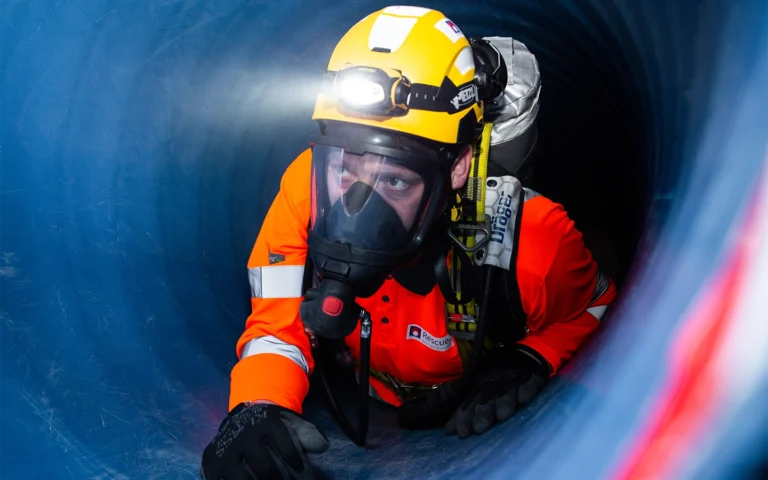
- Trained personnel: Individuals who are physically fit, medically screened, and certified as competent in confined space rescue.
Failure to plan adequately is not only a moral risk, it is a legal breach that can lead to prosecution under the Health and Safety at Work Act 1974.
The Rescue2 Approach: Competence, Realism and Readiness
At Rescue 2, we help businesses across the UK meet and exceed their confined space obligations through comprehensive rescue and training services.
1. Confined Space Risk Assessment and Planning
We analyse each space to identify foreseeable hazards and determine the correct level of control. Our rescue gap analysis highlights weaknesses in your existing arrangements, and our written reports provide clear, actionable steps for improvement.
2. Dedicated On Site Rescue Teams
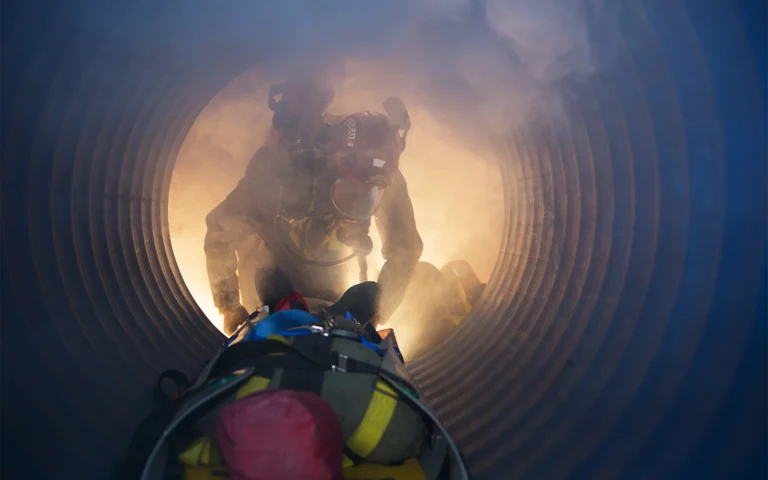
We deploy fully equipped, multi skilled rescue professionals across the UK, each with emergency service or industrial rescue backgrounds.
Our teams cover:
- Confined space rescue and management
- Rope access and technical rescue
- Hazardous material response
- Paramedic and medical treatment services
- Initial firefighting and chemical response
All are supported by frontline specification ambulances, rapid response vehicles, and fully equipped rescue units, providing a level of capability unmatched in the private sector.
3. Accredited Confined Space Training
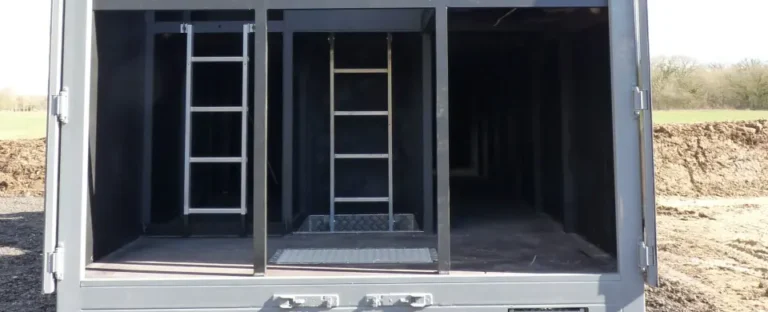
Our City & Guilds accredited and bespoke training courses are delivered either at our training centres or on site using our mobile confined space training units. Each unit includes over 30 metres of adjustable tunnels, vertical and horizontal entry shafts, CCTV monitoring, and real time gas detection, enabling teams to train safely under realistic conditions.
Training modules include:
- Low, medium, and high risk confined space entry
- Emergency rescue techniques
- Breathing apparatus use and maintenance
- Risk assessment and the creation of a safe system of work creation
All courses align with HSE guidance and current industry standards.
More Than Compliance: The Business Case for Professional Rescue Cover
Relying on internal staff without formal rescue training can create false confidence. Rescue is a specialist skill, not an extension of normal operations. When incidents occur, every second matters; delayed or poorly executed rescues have led to multiple fatalities in the same incident.
By engaging a professional rescue provider, you:
- Reduce risk of fatality or life changing injury
- Protect your company from enforcement action
- Demonstrate compliance with the Confined Spaces Regulations and ACOP L101
- Increase workforce confidence and morale
- Minimise downtime during high risk operations
When compared to the potential cost of incident recovery, investigation and insurance impacts, professional rescue cover is an investment that pays for itself many times over.
A Holistic Approach to Safety
Rescue2’s service covers the full lifecycle of confined space management, from planning and risk assessment through to on site safety, rescue, and training. We can integrate directly with your existing teams or manage the entire safety and rescue provision for outage, maintenance or capital projects.
Whether your work involves utilities, energy infrastructure, wastewater, manufacturing or construction, we tailor each deployment to your specific risks, schedule and environment. Our goal is simple: that everyone on your site starts safe, works safe, and goes home safe.
Ready To Challenge the Status Quo?
“If you do what you have always done, you will get what you have always got.”
In 2025, that mindset no longer works. Safety expectations are higher, and the HSE now routinely audits emergency arrangements as part of confined space inspections. If your organisation is ready to review its rescue provision and ensure that competence matches risk, we can help.
Contact Rescue2 today for impartial advice, realistic assessment, and a safety partnership that delivers measurable results.
📞 01903 871 105
✉️ info@rescue2.co.uk
📍 Rescue2 Ltd, The Old Stables, Decoy Lane, Arundel Road, Poling, West Sussex BN18 9QA
Frequently Asked Questions About Think You Don’t Need a Confined Space Rescue Team? Think Again
Do I legally need a rescue plan for confined space work?
Yes. The Confined Spaces Regulations 1997 require employers to have suitable and sufficient emergency arrangements in place before any entry is made. You must plan and resource the rescue, not rely on calling the emergency services.
What counts as a confined space?
Any place that is substantially enclosed and presents a reasonably foreseeable risk of serious injury from hazards such as toxic gases, oxygen deficiency, heat, or free-flowing solids. Common examples include tanks, silos, sewers, ducts, and storage vessels.
Why can’t we just rely on the fire and rescue service?
Because the law places responsibility on the employer. Fire and rescue crews provide public emergency response, not pre planned site specific rescue. Delays in mobilisation and a lack of familiarity with your site can cost lives.
How many workers die in confined spaces each year?
HSE data shows that around 20 fatalities occur annually in confined or restricted environments in Great Britain. Many involve multiple victims when untrained colleagues attempt rescues without proper equipment or planning.
What should a confined space rescue plan include?
It must cover:
How entrants and rescuers communicate
Access and egress methods
Retrieval systems and lifting devices
Trained personnel with appropriate PPE and breathing apparatus
First aid and medical arrangements
Regular rehearsal of the plan to prove it works in practice
How do I know what level of rescue cover my project needs?
Start with a competent risk assessment. Consider the type of space, atmosphere testing results, access routes, duration of entry and rescue complexity. Rescue2 provides a Rescue Gap Analysis to benchmark your current provision against the HSE’s Approved Code of Practice L101.
Who can act as a confined space rescuer?
Only individuals who are trained, medically fit, and competent. They must have the right equipment, understand the site’s safe system of work, and have practised realistic rescue scenarios under supervision.
What qualifications do confined space rescuers need?
Rescue2 delivers City & Guilds accredited confined space and rescue courses, plus bespoke modules for high risk environments. These qualifications prove competence and are recognised nationwide.
Can Rescue2 provide on site rescue teams during outages or maintenance?
Yes. We deploy fully equipped, multi disciplinary rescue and paramedic teams across the UK. Our units include confined space, rope access, and fire and chemical response specialists, supported by frontline ambulances and rapid response vehicles.
How can I arrange a site review or get advice from Rescue 2?
Simply contact our team on 01903 871 105 or email info@rescue2.co.uk. We’ll assess your site, review existing controls, and design a practical rescue and safety strategy tailored to your risks and budget.