Why should mental health be on every business agenda?
Mental health isn’t just a personal issue; it’s a business one. In 2025, UK employers lose more than £50 billion each year to stress, depression, and anxiety related absences. Addressing wellbeing at work is both a moral responsibility and a practical strategy for safety, productivity, and retention.
The State of Workplace Mental Health in 2025
Work related stress, depression, and anxiety remain the leading causes of ill health in UK workplaces.
According to the Health and Safety Executive (HSE, 2024):
- 51 % of all work related ill health cases are linked to stress, depression, or anxiety.
- The same issues account for 54% of lost working days.
- The overall cost to UK businesses now exceeds £56 billion a year (Mind, 2025).
Globally, the World Health Organisation reports that depression and anxiety cost the world economy US$1 trillion annually in lost productivity.
In the United States, the National Alliance on Mental Illness (NAMI) notes that one in five adults experiences mental illness every year.
For employers, the message is clear: a workforce under pressure is less safe, less productive, and more likely to experience burnout or accidents.
Why Mental Health Belongs on Every Business Agenda
Good mental health is essential in safety critical industries, where focus and judgement can literally save lives.
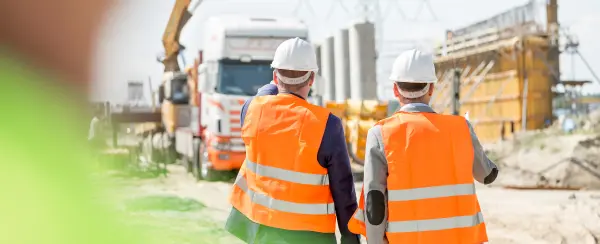
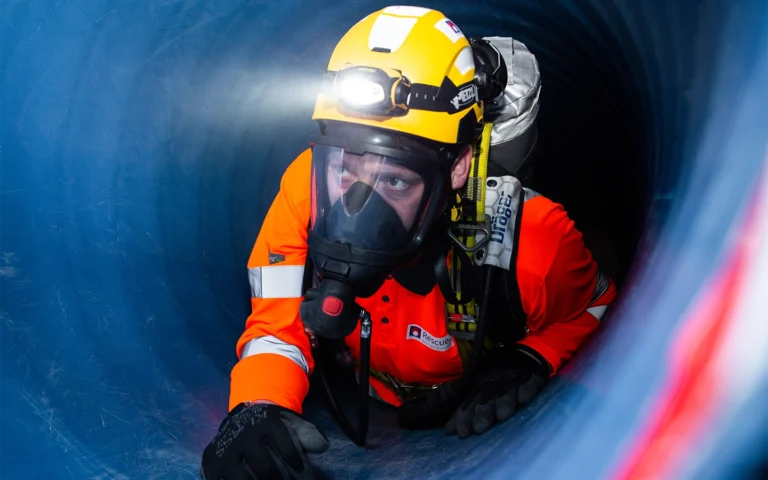
Whether managing construction teams, utilities engineers, or rescue technicians, emotional well being directly influences situational awareness and decision making.
Poor mental health affects every level, from new starters to senior leadership, reducing morale, concentration, and engagement. Addressing it isn’t just compassionate; it’s part of a sound, sustainable business model.
Four Reasons Every Business Should Take Mental Health Seriously
1. A Healthy Workforce Drives Performance
When employees feel psychologically safe and supported, productivity rises.
Research from Deloitte UK shows that for every £1 invested in workplace wellbeing, employers gain an average of £5 in return through improved engagement and reduced absence.
Companies that prioritise wellbeing also attract stronger candidates and retain staff for longer.
2. Businesses Have Reach and Influence
With nearly half of the UK population in employment, businesses have the power to normalise open conversation about mental health.
Embedding wellbeing initiatives, peer support networks, and Mental Health First Aid training into existing safety programmes extends impact far beyond the workplace.
When employees feel empowered to discuss their concerns, stigma fades and early intervention becomes easier.
3. Prevention Is Always Better Than Crisis Response
Early recognition of stress or anxiety prevents long absences and serious incidents.
Regular one to ones, visible leadership support, and trained mental health first aiders help teams spot problems early.
This protects individuals and supports overall business continuity.
4. The Benefits Extend Beyond the Workplace
Understanding mental health equips staff to support family and friends, too.
By training employees to recognise and respond appropriately, businesses create ripples of wellbeing that reach communities and reduce the wider social burden.
Training Makes the Difference
At Rescue2, we’ve seen how confidence in emergency response translates into confidence when supporting mental health.
Our Adult Mental Health First Aid course equips teams to recognise early warning signs, start supportive conversations, and guide people toward professional help.
What the Course Covers
- Understanding stress, anxiety, depression, OCD, PTSD, and related conditions
- Spotting early warning signs and offering firstline support
- Responding to panic attacks or suicidal thoughts safely
- Building resilience and maintaining personal well being
Training is delivered by experienced emergency service professionals who understand high pressure environments. Each course combines evidence based learning with hands on discussion and scenario practice.
Making Mental Health a Core Part of Safety Culture
Mental health is integral to health and safety, not separate from it. By investing in awareness, training, and genuine support, organisations build safer, more resilient teams.
Every conversation and refresher course contributes to a healthier, more productive workforce.
Ready to Make Mental Health Part of Your Safety Strategy?
Speak to the Rescue2 training team about integrating Adult Mental Health First Aid or Wellbeing Awareness into your workplace programme.
📞 01903 871 105
📧 info@rescue2.co.uk
Rescue2 Ltd – Safe Places, Safe People.
Frequently Asked Questions About Why Mental Health Needs to Be on Every Business Agenda
How common are work related mental health problems in 2025?
HSE data shows more than half of all UK work related illnesses stem from stress, depression, or anxiety.
What does poor mental health cost UK employers?
Mind UK estimates that losses exceed £56 billion annually due to absence and turnover.
Why should safety critical industries prioritise mental well being?
Fatigue and stress can reduce concentration, increasing the risk of accidents and decision making errors.
How can training improve workplace wellbeing?
Mental Health First Aid training fosters awareness, confidence, and early intervention skills.
How often should mental health awareness training be refreshed?
Best practice is to review content annually, keeping support approaches up to date.
What return can businesses expect on wellbeing investment?
Deloitte UK research shows an average £5 ROI for every £1 spent on mental health programmes.
Are mental health first aiders legally required?
Not yet, but HSE encourages the appointment of trained staff as part of a robust wellbeing policy.
What are the early signs that an employee may be struggling?
Noticeable changes in mood, attendance, focus, or interactions often indicate stress or anxiety.
How can managers support mental health on a day to day basis?
Encourage open conversation, regular check ins, realistic workloads, and visible empathy.
Does Rescue2 provide on site mental health training?
Yes, Rescue2 delivers accredited workplace wellbeing and Mental Health First Aid courses nationwide.