Why is health and safety on farms of enormous importance?
Agriculture still accounts for a disproportionate share of workplace deaths in Great Britain despite employing a small fraction of the workforce. We explain why farm risk remains high, what the latest HSE data reveals, and how we help farm owners and contractors raise standards through practical training, rescue readiness, and cultural change.
Why Farm Safety Matters Right Now
The latest provisional figures from the Health and Safety Executive show 124 workers were killed in work related incidents across Great Britain in 2024 to 2025. Agriculture is again one of the worst affected sectors. Although only about one per cent of the workforce is employed in agriculture, the sector typically accounts for around one in five workplace deaths. That imbalance has persisted for years and demands action from every farm business.
What the Numbers Say
Within the headline totals, agriculture, forestry and fishing recorded 23 worker fatalities in 2024 to 2025, a figure broadly in line with recent five year averages. Behind those numbers are preventable incidents that disrupt families, damage businesses, and erode confidence in the sector.
Age and exposure patterns also matter. Industry bodies highlight that older workers are over represented in fatal incidents, and members of the public, including children, continue to be harmed on or near farms. These realities underscore the need for practical controls, competent training and clear site rules that protect workers and visitors
Why Farms Are High Risk Environments
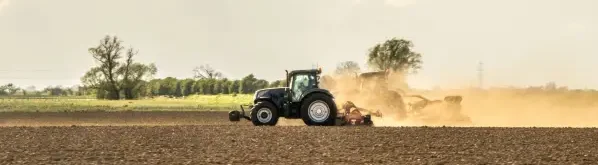
Farms combine heavy plant, variable ground conditions, seasonal time pressure and hazards that change with the weather. Typical risk factors include:
- Vehicles and mobile plant. Transport remains a leading cause of fatal injuries on farms. Slopes, poor visibility, unsecured loads, and tight yards increase the risks of overturns and strikes.
- Work at height and fragile structures. Roof work, grain stores and lofts introduce fall risks that are often underestimated during quick maintenance tasks.
- Livestock. Even experienced handlers can be injured by unpredictable behaviour, especially in confined pens or when animals are stressed.
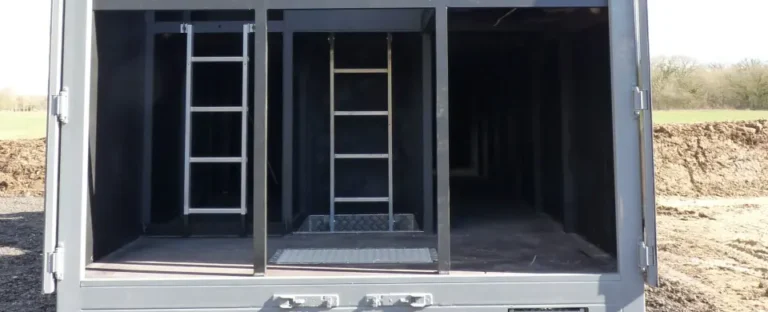
- Hazardous atmospheres and confined spaces. Silos, tanks and grain stores can contain low oxygen or toxic gases. A safe system of work and a robust rescue plan are legal requirements if entry cannot be avoided.
- Fatigue and culture. Long hours and the mindset of “we have always done it this way” drive shortcuts. Industry reporting this autumn again called for a culture change to reverse a spike in farm deaths.
The Legal Baseline You Must Meet
The Confined Spaces Regulations require you to avoid entry wherever possible, establish a safe system of work where entry is unavoidable, and implement adequate emergency arrangements before commencing work. That sits alongside general duties under health and safety law. The HSE’s Approved Code of Practice L101 sets out clear expectations for assessment, control and rescue planning.
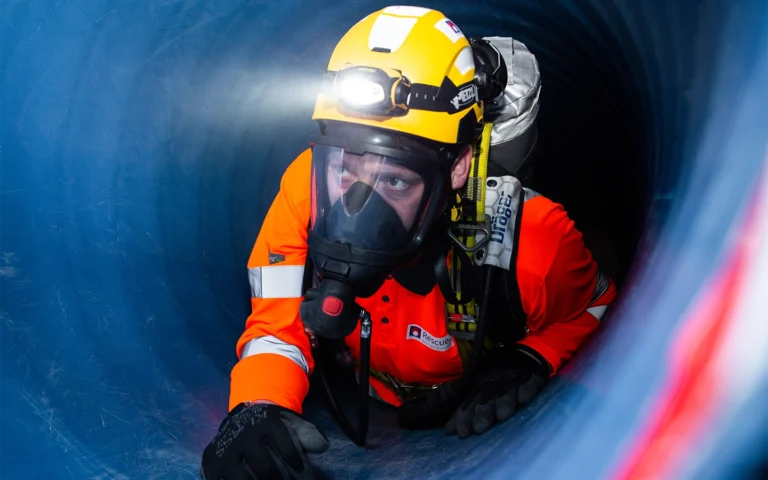
Where respiratory hazards are present, you must select and maintain appropriate respiratory protective equipment and train people in its correct use. HSE guidance HSG53 explains the principles for suitable selection, face fit, user checks and maintenance.
Our View From the Field
We see the same themes across mixed farms, estates and contractors:
- Risk assessments exist on paper but are not translated into clear, simple working rules at the task level.
- Rescue arrangements for confined spaces are assumed, not planned and rehearsed.
- Competent people operate vehicles and attachments, yet site layouts and yard routines still permit close proximity movements that pose a significant risk.
- Supervisors carry the knowledge, but briefings are not repeated often enough for seasonal labour or visiting contractors.
We help fix these gaps by combining practical training with realistic exercises and straightforward documentation that people actually use.
Five Priorities That Reduce Farm Risk Immediately
1) Make transport safe by design. Treat traffic segregation and sight lines as engineering problems, not behavioural hopes. Mark routes, designate parking and turning points, standardise a “safe stop” routine, and brief everyone who enters the yard. Recent commentary from the industry emphasises these fundamentals after a rise in fatalities.
2) Control work at height. Stop ad hoc roof work. Use planned access, edge protection and a permit when needed. If a roof or sheet is fragile, treat it as such and isolate the area until controls are in place.
3) Respect confined spaces. Identify silos, tanks, pits and stores as confined spaces and avoid entry where possible. If entry is essential, implement a written safe system, including atmosphere testing, communications, standby arrangements, and a rehearsed rescue plan, in line with L101.
4) Train for respiratory hazards. Do not rely on common sense when dealing with gases and dusts. Select adequate and suitable RPE, fit tight fitting masks, teach daily user checks, and maintain equipment in accordance with HSG53 principles.
5) Push culture forward. Leaders set the tone. Short, frequent toolbox talks keep risk visible. Encourage near miss reporting without blame and close the loop by acting on what people raise. Recent fatality patterns show culture still makes the difference between routine work and tragedy.
How We Help Farms Build Resilient Safety
We work across the UK with owners, managers and contractors to deliver:
- On site, scenario based training aligned to farm realities, from machinery safety to confined space awareness and incident management.
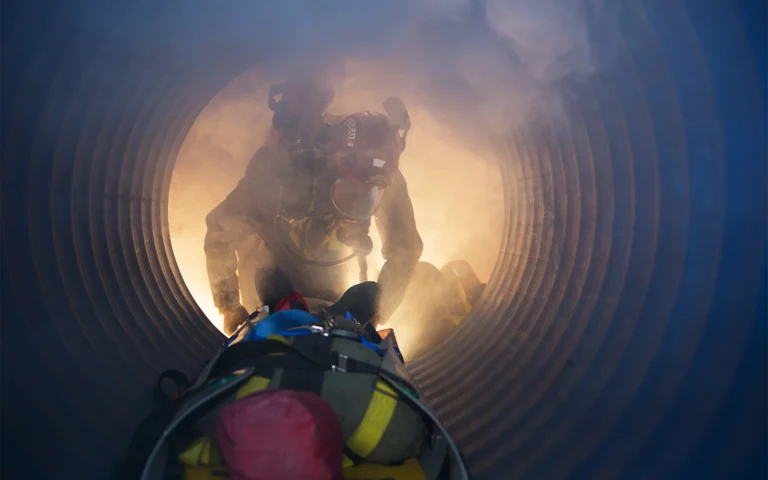
- Rescue readiness for confined spaces, with practical plans that meet the letter and spirit of the law and reflect your actual kit and response times.
- RPE competence based on HSG53: selection support, face fit coordination, and routines that keep equipment serviceable.
- Simple documentation that helps supervisors brief tasks clearly and repeatably.
- Follow up support to embed habits, verify controls and prepare for audits.
A Realistic Pathway to Improvement
- Walk the site with fresh eyes. Map high energy hazards and places where people and plant mix.
- List your confined spaces and determine where entry can be eliminated. For those who remain, establish a straightforward and proportionate procedure and appoint competent individuals.
- Plan your rescue before the next entry. Test the plan against a realistic scenario rather than an ideal case.
- Upgrade respiratory controls where needed and introduce face fit and user checks to HSG53 practice.
- Establish a rhythm of brief toolbox talks that keep the basics alive throughout the seasons.
Final Word
Farming will always involve risk, but it doesn’t have to be a surprise. The data is clear, and the controls are well understood. When we combine sensible engineering with competent people, rehearsed rescue and leadership that values safe work, farms become resilient places to work and do business.
Contact us: 01903 871 105 • info@rescue2.co.uk
Farm Safety Frequently Asked Questions
Why does farming still have so many fatal incidents compared to its size?
Because the work mixes heavy machinery, variable terrain, animals and time pressure. Agriculture employs about one per cent of the workforce, yet often accounts for roughly one in five work deaths.
What is the single most significant improvement we can make this quarter?
Separate people and vehicles, and formalise a safe stop routine. Transport remains a significant cause of fatal harm.
Who should write our confined space rescue plan?
You remain responsible as the employer. We can help draft and prove a plan that meets the Confined Spaces Regulations and the HSE ACOP.
Do we really need RPE training on farms?
Yes, if atmospheres can be harmful. Selection, fit and maintenance must follow HSG53 principles.
What shows our safety culture is improving?
Fewer near miss repeats, better permits, stronger stop work decisions and consistent toolbox talks that lead to action. Recent spikes in fatalities show culture still matters.